
Spay and Neuter Brooklyn: Complete Guide for Pet Owners
Spay and neuter Brooklyn pet owners ask us about this topic every single week — and for good reason. It’s one of the most important health decisions you’ll ever make for your dog or cat. Our veterinary team at South Brooklyn Animal Clinic has performed hundreds of these procedures right here on Coney Island Ave, and we want to give you the clearest, most honest picture of what it involves, why timing matters, and what you can expect before, during, and after surgery.
Whether you have a new puppy from Midwood, a rescue kitten from Sheepshead Bay, or an adult dog you adopted from a shelter in Flatbush — this guide is for you.
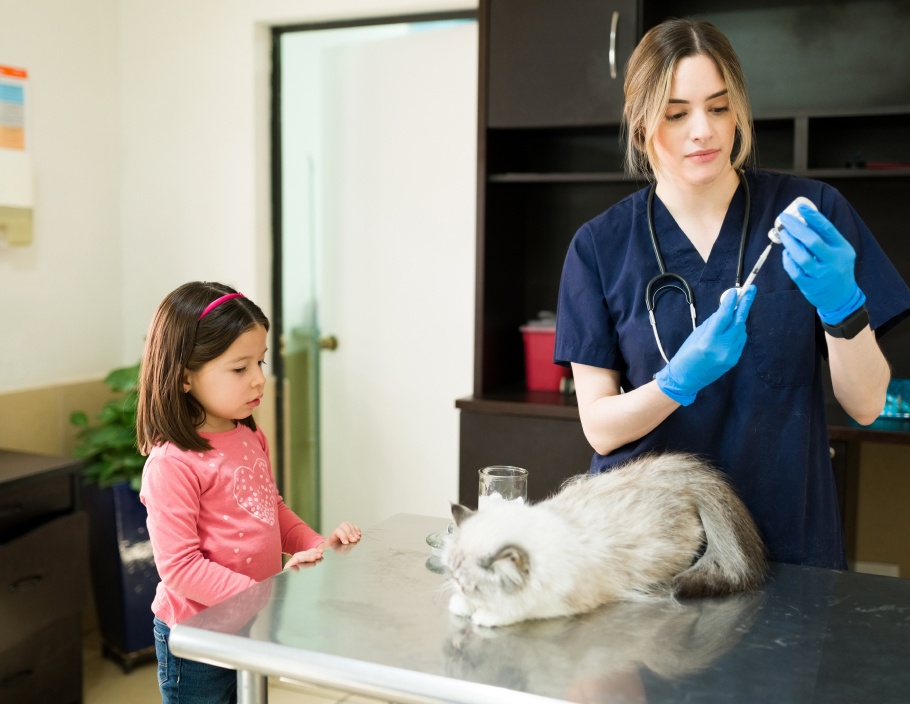
What Does Spaying or Neutering Actually Mean?
Simply put, spaying is the surgical removal of a female pet’s reproductive organs — the ovaries and usually the uterus. Neutering refers to the removal of a male pet’s testicles. Both are performed under general anesthesia by a licensed veterinarian and are among the most routine surgical procedures in veterinary medicine.
These aren’t just population-control measures. The health and behavioral benefits are substantial — and backed by decades of veterinary research. The American Veterinary Medical Association (AVMA) strongly recommends spay/neuter as part of responsible pet ownership, citing long-term health benefits and reduced shelter intake across the country.
Why Spay or Neuter Your Pet? The Health Benefits Are Real
We hear pet owners in Brighton Beach and Gravesend say, “My pet is always indoors — does it really matter?” Yes, it absolutely does. The benefits go far beyond preventing unwanted litters. Here’s what our veterinary team has seen firsthand:
For Female Pets (Spaying)
- Eliminates the risk of uterine infections (pyometra) — a life-threatening condition we see frequently in unspayed female dogs, especially those over six years old
- Dramatically reduces mammary (breast) tumor risk — spaying before the first heat cycle reduces this risk by over 90% in dogs
- Prevents ovarian and uterine cancers entirely
- No more heat cycles — no behavioral changes, no discharge, no attracting unwanted male animals to your home or yard
- Longer, healthier life on average — studies consistently show spayed females live longer than intact ones
For Male Pets (Neutering)
- Eliminates testicular cancer risk — one of the most common cancers in intact male dogs
- Reduces risk of prostate disease significantly
- Decreases hormone-driven behaviors — roaming, urine marking, mounting, and inter-male aggression all tend to decrease or disappear
- Calmer, more focused temperament — many pet owners in our Midwood and Flatbush community report dramatic improvements in trainability post-neuter
- Reduces the urge to escape — unneutered male dogs are notorious for finding creative ways out of yards and apartments when they detect a female in heat nearby
When Is the Right Age to Spay or Neuter in Brooklyn?
This is one of the most common questions we receive at our Coney Island Ave clinic. The short answer: it depends on the species, breed, and size of your pet. Here’s our general guidance:
Recommended Timing by Pet Type
- Cats (both male and female): We typically recommend spaying or neutering between 4 to 6 months of age, before the first heat cycle in females. Cats can become pregnant as early as 4 months, so earlier is often better.
- Small-breed dogs (under 45 lbs): Between 6 to 9 months is generally appropriate. The hormonal influence on growth is minimal in smaller breeds.
- Large-breed dogs (over 45 lbs): We recommend waiting until 9 to 15 months, as growth hormones play a bigger role in musculoskeletal development. Early neutering in large breeds has been associated with a slightly higher risk of certain joint conditions.
- Giant breeds (over 100 lbs): We often advise waiting until 12 to 24 months and will discuss this carefully during your wellness exam.
That said, every pet is an individual. Our veterinary team will review your pet’s breed history, body weight, and health status before making a personalized recommendation during your spay and neuter consultation. Older pets can absolutely be spayed or neutered too — age alone is not a disqualifying factor.
What Happens Before the Surgery? Pre-Op Preparation
We know that preparing for your pet’s surgery can feel a little nerve-wracking. Our team makes every effort to walk you through the process clearly. Here’s what to expect in the days and hours leading up to the procedure:
Pre-Surgery Checklist for Brooklyn Pet Owners
- Pre-op exam: We conduct a thorough physical examination to confirm your pet is healthy enough for anesthesia. Blood work is often recommended, especially for pets over 5 years or those with any known health conditions.
- Fasting before surgery: Your pet should have no food after midnight the night before the procedure. Water is typically fine until a few hours before drop-off. We’ll give you exact instructions when you book.
- Medications disclosure: Let us know about any supplements, flea medications, or prescription drugs your pet takes — some may need to be paused before surgery.
- Current vaccinations: We require pets to be up to date on core vaccines before elective surgery. If your pet is due, we can often handle this at the same visit. Check our wellness services if you need a vaccine update.
- Arrange your schedule: Plan to drop your pet off in the morning and pick them up in the early afternoon. Most pets go home the same day.
What Happens During the Surgery Itself?
Our veterinary surgery suite is fully equipped with modern anesthetic monitoring equipment. Your pet’s vital signs — heart rate, oxygen saturation, blood pressure, and temperature — are monitored continuously throughout the procedure by both our veterinarian and a trained veterinary technician.
Here’s a step-by-step overview of what happens:
- Pre-anesthetic sedation: We give a sedative to help your pet relax and reduce the amount of general anesthesia needed. This also provides early pain relief.
- IV catheter placement: An IV line is placed for fluid support and to ensure rapid medication access if needed during surgery.
- General anesthesia induction: Your pet is gently moved into a deep, safe sleep.
- The procedure: Spay surgeries typically take 20–40 minutes. Neuters are often shorter — 15–20 minutes. More complex cases (like cryptorchid neuters, where a testicle hasn’t descended) take longer.
- Suture closure: We use absorbable internal sutures where possible, so your pet won’t need stitches removed.
- Recovery monitoring: Your pet wakes up in our heated recovery area with staff checking on them regularly until they’re stable and alert.
Post-Surgery Recovery: What to Expect at Home
Recovery is usually smooth, but it does require your attention for about 10–14 days. Here’s what our Brooklyn pet owners need to know:
Day-by-Day Recovery Guide
- Day 1 (surgery day): Your pet may be groggy, wobbly, or quieter than usual. This is completely normal from the anesthesia. Offer a small amount of water and a light meal that evening. Keep them warm and quiet.
- Days 2–5: Some swelling and mild bruising around the incision is expected. Your pet should be resting, not running or jumping. Use the E-collar (cone) we send home — this prevents licking, which is the number one cause of post-op complications.
- Days 6–10: Most pets are feeling significantly better and will want to be more active. Continue to restrict vigorous exercise — no stairs, no jumping on furniture, no roughhousing with other pets.
- Days 10–14: Follow-up recheck with our team. We’ll assess healing and give the all-clear for normal activity.
Warning Signs — Call Us Immediately If You See:
- Excessive bleeding or fluid discharge from the incision site
- The incision opening up or sutures coming apart
- Swelling that is growing larger after the first 48 hours
- Your pet refusing to eat or drink for more than 24 hours post-surgery
- Vomiting more than twice after the first evening home
- Pale gums, extreme lethargy, or collapse
- Signs of pain that are not improving with prescribed pain medication
Please don’t wait and watch if something doesn’t look right. Call us directly at (718) 676-2494 and we’ll guide you immediately.
Common Myths About Spaying and Neutering — Debunked
Over the years, our team on Coney Island Ave has heard every concern imaginable. Here are the most common misconceptions we address regularly:
Myth vs. Reality
- “My pet will get fat after surgery.” — Metabolism can slow slightly after spay/neuter, but weight gain is primarily caused by overfeeding and under-exercising. Proper portion control keeps this completely manageable.
- “It will change my pet’s personality.” — Spay/neuter reduces hormone-driven behaviors. Your pet’s core personality, their love for you, their playfulness — none of that changes. Most owners find their pets actually become more affectionate and focused.
- “My pet should have one litter first.” — There is no medical evidence supporting this belief. In fact, spaying before the first heat cycle provides the greatest cancer-risk reduction.
- “It’s too expensive.” — We offer transparent, fair pricing at South Brooklyn Animal Clinic. The cost of a spay or neuter is significantly less than the cost of treating pyometra, mammary tumors, testicular cancer, or an unexpected pregnancy. We can discuss payment options when you call.
- “My indoor pet doesn’t need it.” — The health benefits of spay/neuter are independent of whether your pet goes outdoors. Pyometra and mammary tumors don’t care if your cat never leaves your Flatbush apartment.
Cost of Spay and Neuter in Brooklyn: What to Expect
We believe every Brooklyn pet deserves access to quality veterinary surgery without financial surprises. At South Brooklyn Animal Clinic, spay and neuter pricing varies based on your pet’s species, size, age, and any additional services (like bloodwork or microchipping) bundled in. We’ll give you a full, transparent estimate during your pre-operative consultation — no hidden fees.
For pet owners in need of lower-cost options, NYC also has subsidized programs through the NYC Department of Health’s Animal Population Control Program (APCP), which offers income-based assistance. We’re happy to point you in the right direction if cost is a barrier.
Booking Your Appointment in Brooklyn
Our team at South Brooklyn Animal Clinic is ready to answer your questions, walk you through the process, and schedule your pet’s spay or neuter procedure at a time that works for your family. We serve pet owners across Midwood, Sheepshead Bay, Brighton Beach, Gravesend, Flatbush, and all surrounding neighborhoods.
- 📍 Address: 2394 Coney Island Ave, Brooklyn, NY 11223
- 📞 Phone: (718) 676-2494
- 🌐 Online: Visit our Spay & Neuter Services page to learn more and request an appointment
We’re here Monday through Saturday and accept new patients. Whether your pet is 4 months or 4 years old, it’s never too late to ask the question. Call us today — our veterinary team genuinely loves what we do, and we’d be honored to care for your pet.
This article is written for informational purposes and reflects the clinical experience of our veterinary team at South Brooklyn Animal Clinic. It is not a substitute for an individualized examination by a licensed veterinarian. Please call us at (718) 676-2494 to discuss your specific pet’s needs.